Digital Support for Addiction Recovery
An app for young refugees, developed in PREPARE, a five-year BMBF-funded research project led by DISuP at the Katholische Hochschule NRW.
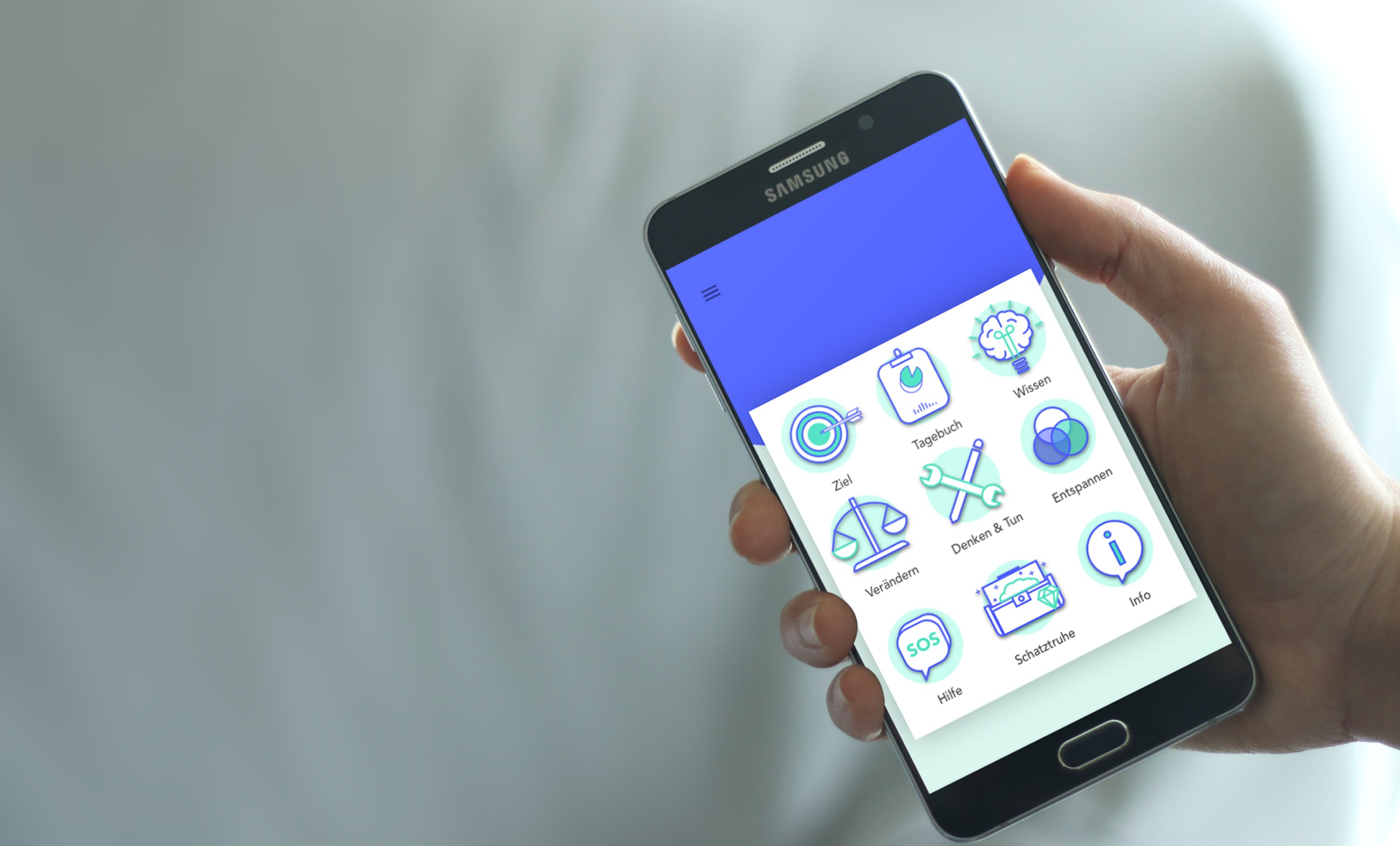
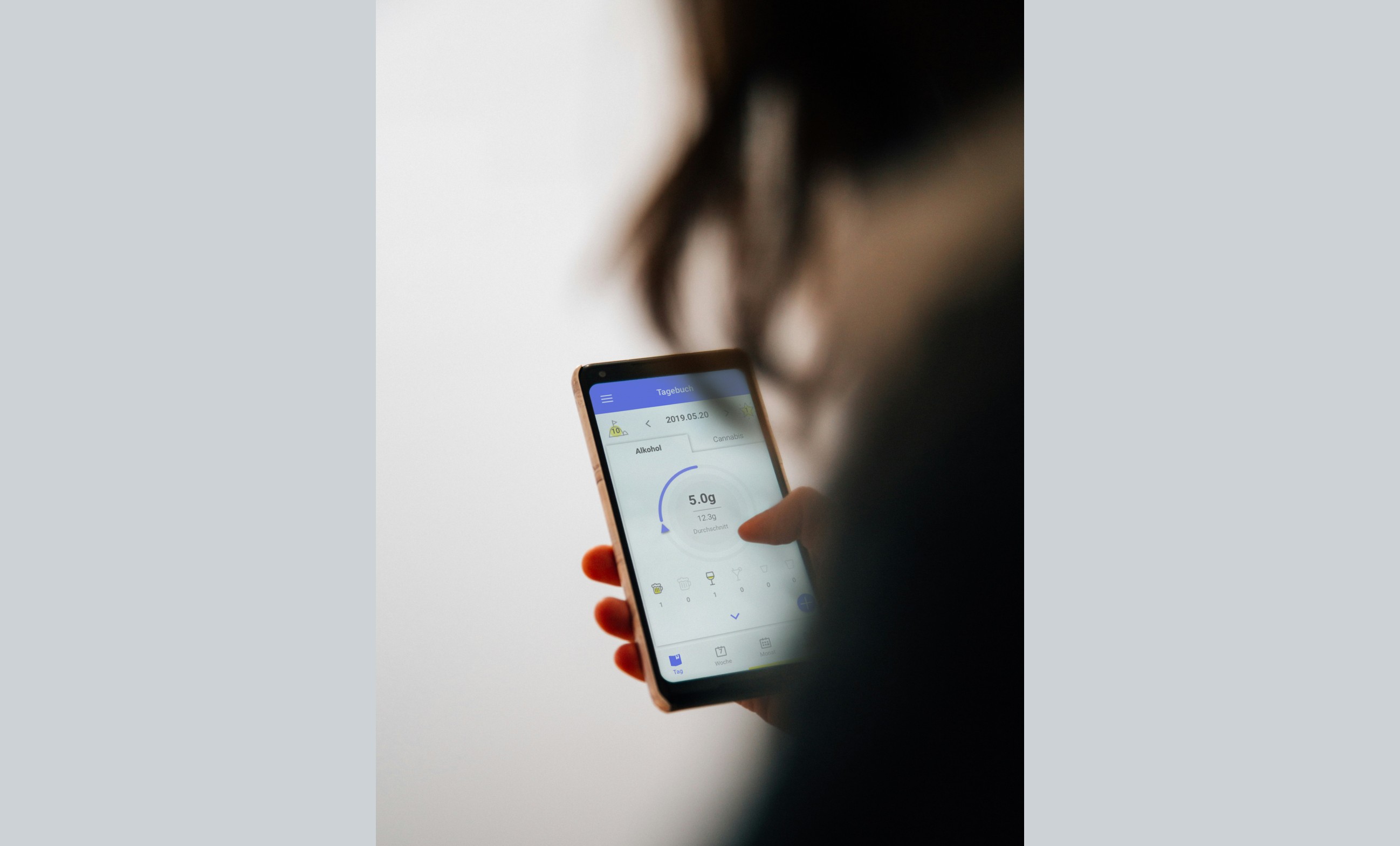
A therapeutic application designed to support young people in overcoming alcohol and cannabis addiction.
Designing inside five years of addiction-prevention research
BePrepared was built as part of PREPARE, a five-year research project (2019 to 2024) funded by the Bundesministerium für Bildung und Forschung (BMBF) and led by the Deutsches Institut für Sucht- und Präventionsforschung (DISuP) at the Katholische Hochschule Nordrhein-Westfalen. The project's goal was to make evidence-based addiction prevention and treatment accessible to young refugees, a group that is both highly affected and structurally underserved by conventional health services.
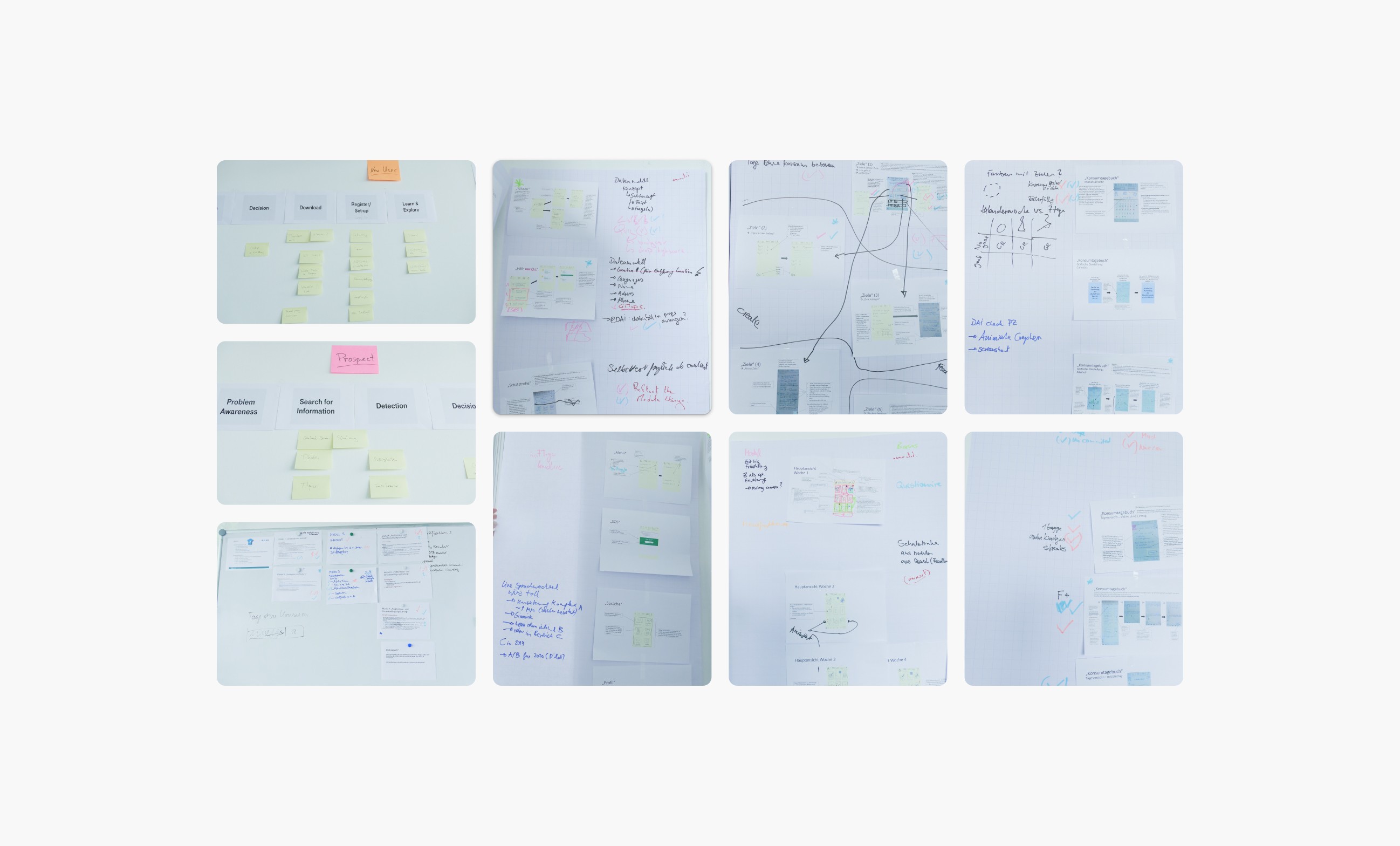
The team brought together a wide set of disciplines: one user researcher, two development engineers, two psychologists, and an addiction-prevention expert. I joined as the sole UX/UI designer. Before the design work began, the researchers spent roughly a year studying the topic in depth and producing the domain report that became the basis for the user characterisation work, in particular the situations in which young refugees experience risk, the cultural and linguistic barriers to seeking help, and the conditions under which a digital intervention can be both safe and trusted.
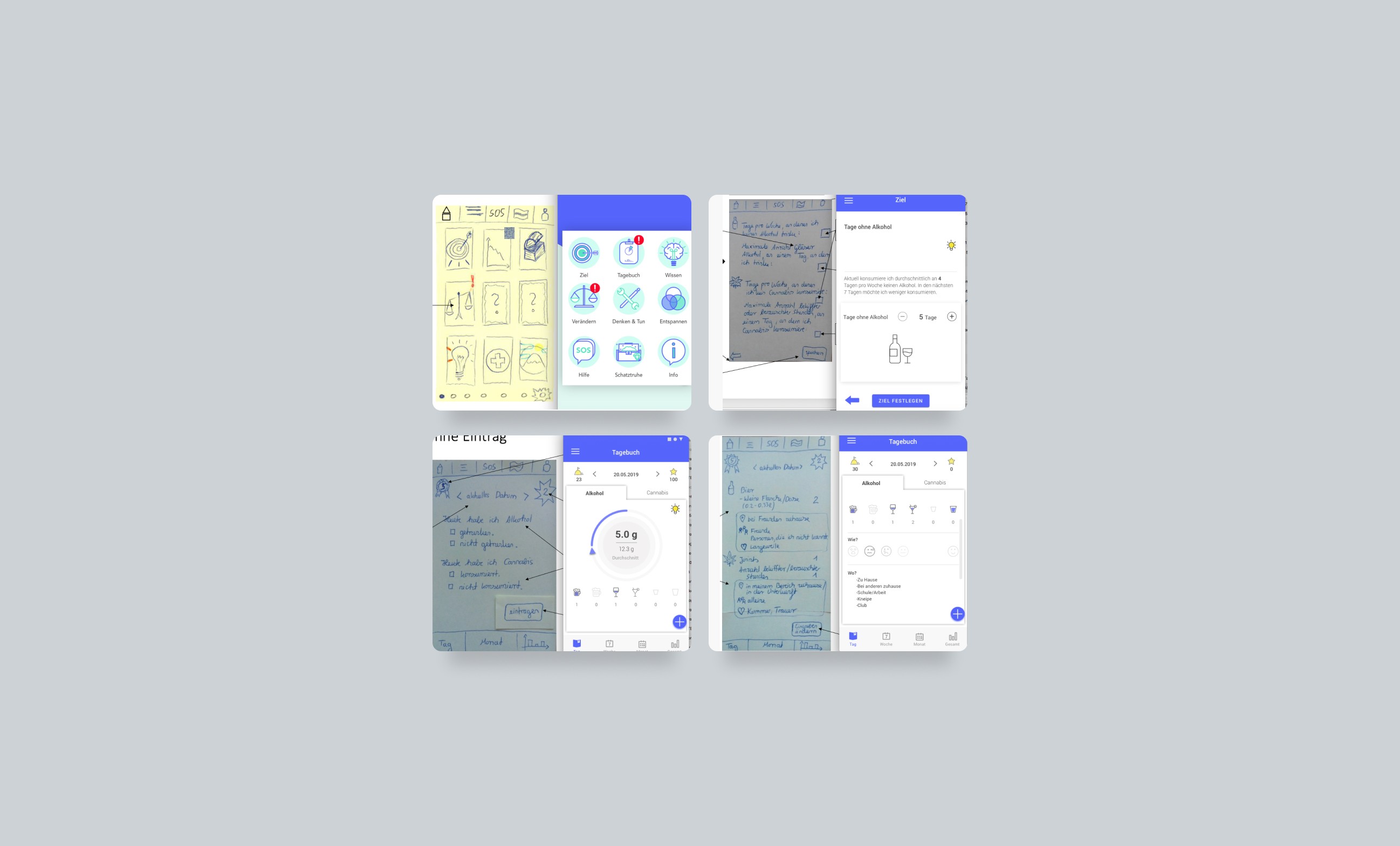
Built on that research foundation, my role covered the concept, the user flow and interaction design, the interface, the multilingual design system, and the prototype that became the basis for the released application.
Alcohol and cannabis dependence can significantly affect the health and social integration of immigrants.
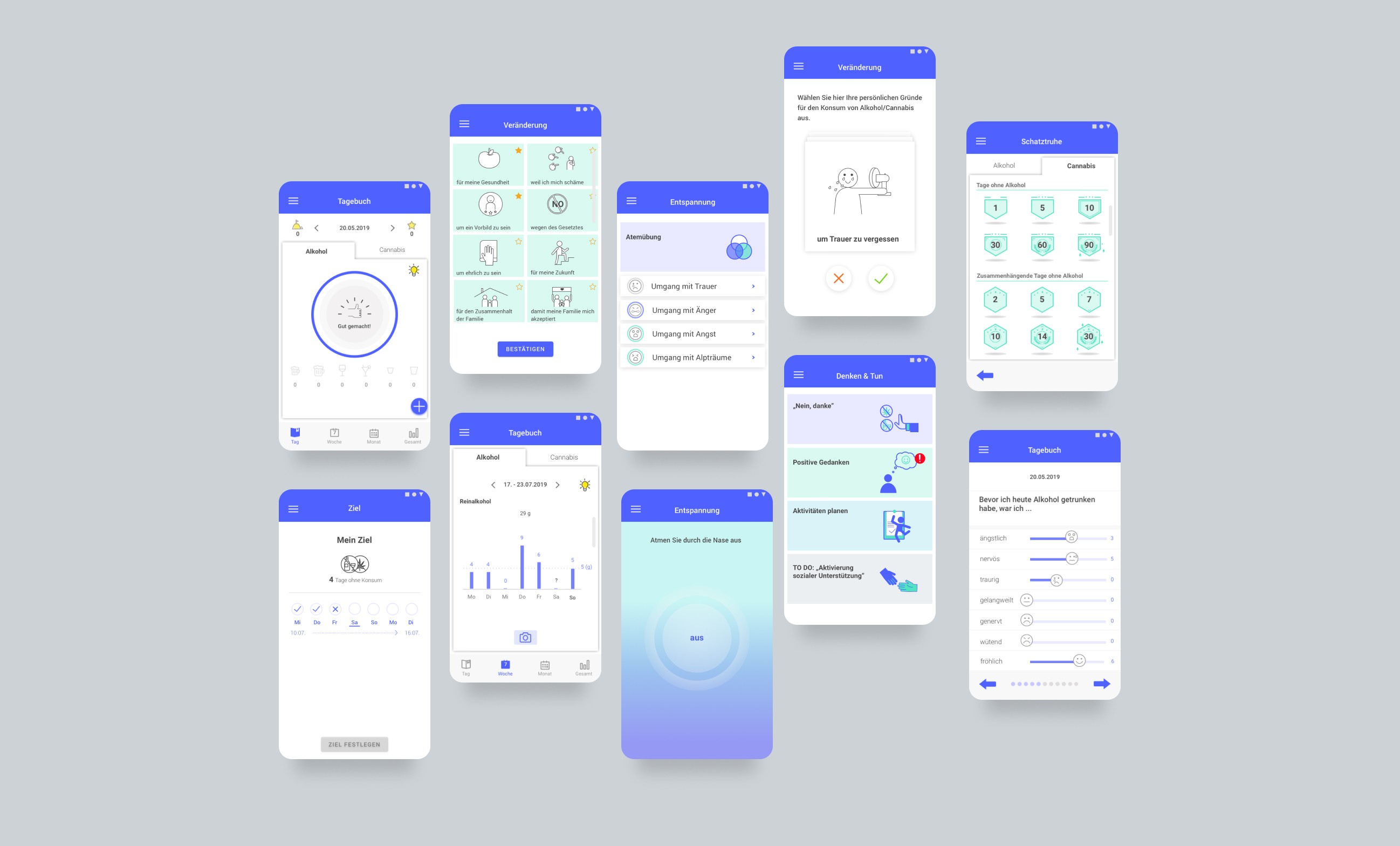
BePrepared provides knowledge and interactive exercises to support users in managing alcohol and cannabis consumption safely. Key features include "Tracking Usage," "Setting Personal Goals," "Learning to Relax," and "Accessing Diverse Information." These tools empower users to develop healthier habits and make informed decisions.
Developed specifically for young refugees, BePrepared is available in five languages, Arabic, German, English, Farsi, and Pashto. The app is free, anonymous, and accessible anytime, anywhere.
Five languages, one consistent product
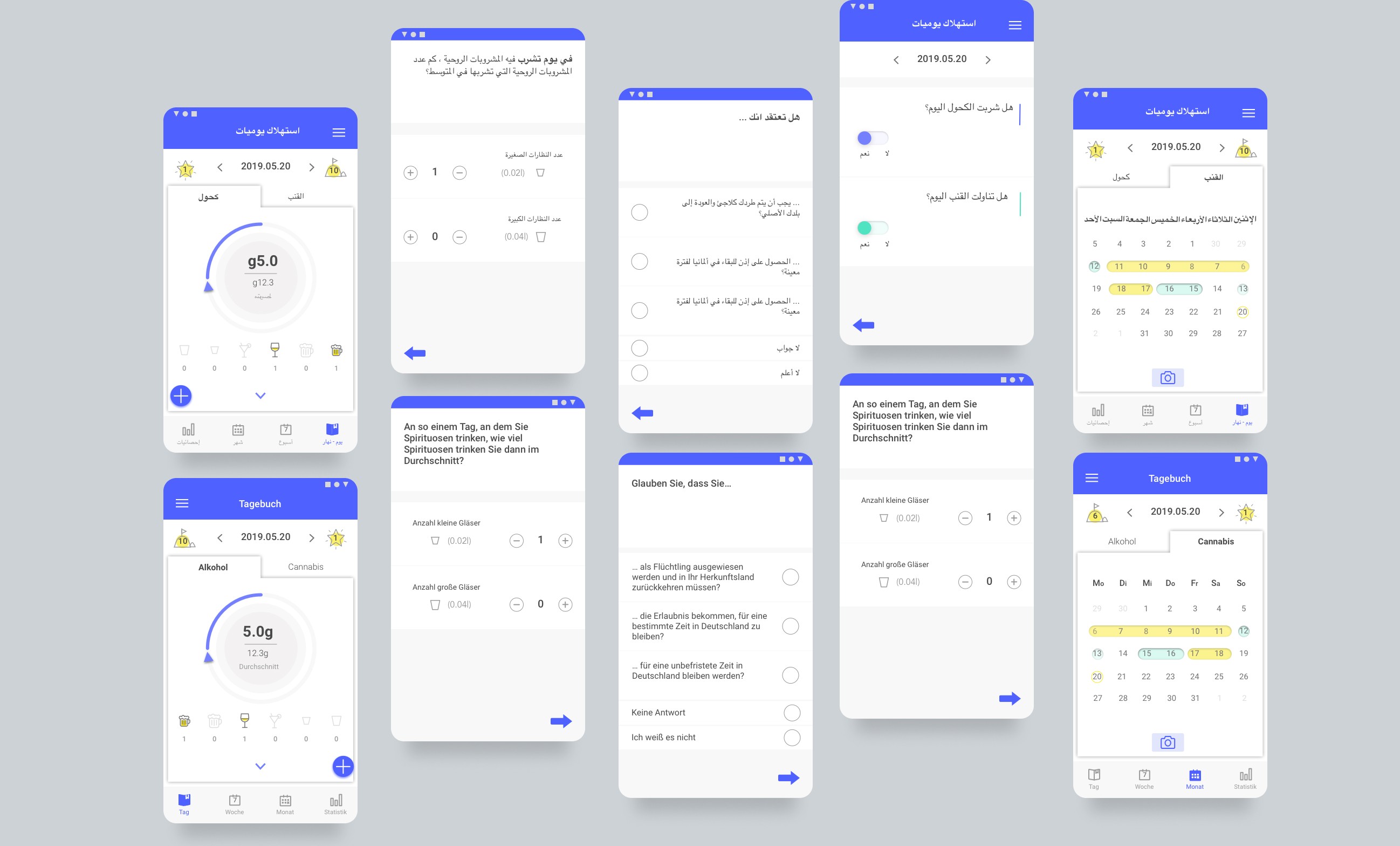
The defining design challenge of BePrepared was not the feature set. It was the requirement that the same product had to work, intuitively and without compromise, in five languages: German, English, Arabic, Farsi, and Pashto. Each language imposes its own constraints on the design system, and the design system had to absorb them rather than fork into five different products.
Bidirectional layout for Arabic. Arabic reads right to left. Layout, navigation order, icons with directional meaning, and progress indicators all had to mirror cleanly without making the right-to-left version feel like a translation of the left-to-right one. Components were designed bidirectionally from the start rather than retrofitted later.
Text-length variability across scripts. The same string can vary substantially in width and height across Farsi, Pashto, Arabic, and the two Latin-script languages. Each component, button, card, header, list item, was designed to accommodate the worst-case length without collapsing, so that the visual hierarchy stays intact across all five languages.
Cultural appropriateness in tone and imagery. The application addresses addiction, a topic that carries different forms of stigma in each of the user groups. The visual and verbal language was kept measured, avoiding imagery and metaphors that translate poorly or imply judgement. The Arabic version was reviewed with Arabic-speaking colleagues in the team to validate the layout and linguistic fit; the final user testing with the target group was carried out by the project partners as part of the clinical research protocol.
Live on Google Play, used in clinical research
PREPARE was completed in January 2024 after five years. BePrepared, the app at the centre of the project, is live on Google Play and remains freely available to its target audience in all five languages. For a research-phase digital health intervention in a vulnerable population, persistence on an open app store after the funding window closes is a meaningful outcome on its own.
The app was used inside a feasibility study with 150 participants from the target group, conducted by the project partners as part of the clinical research protocol. The study tracked participants longitudinally with surveys at baseline and at 4 weeks, 3 months, and 6 months. Recruiting and retaining young refugees in a multilingual addiction-prevention study is materially harder than running a study with a general-population sample, and the fact that the design held up across that audience, that language coverage, and that timeframe is the strongest validation the work could receive in this setting.
Developing the app in five languages, German, English, Persian, Arabic, and Pashto, presents unique design challenges. It is essential to consider the reading and usage habits of users from diverse cultural backgrounds.
Additionally, varying text lengths across languages must be accommodated within a cohesive design framework to ensure a consistent and user-friendly experience.